The Vital Role of Material Selection in CNC Prototyping
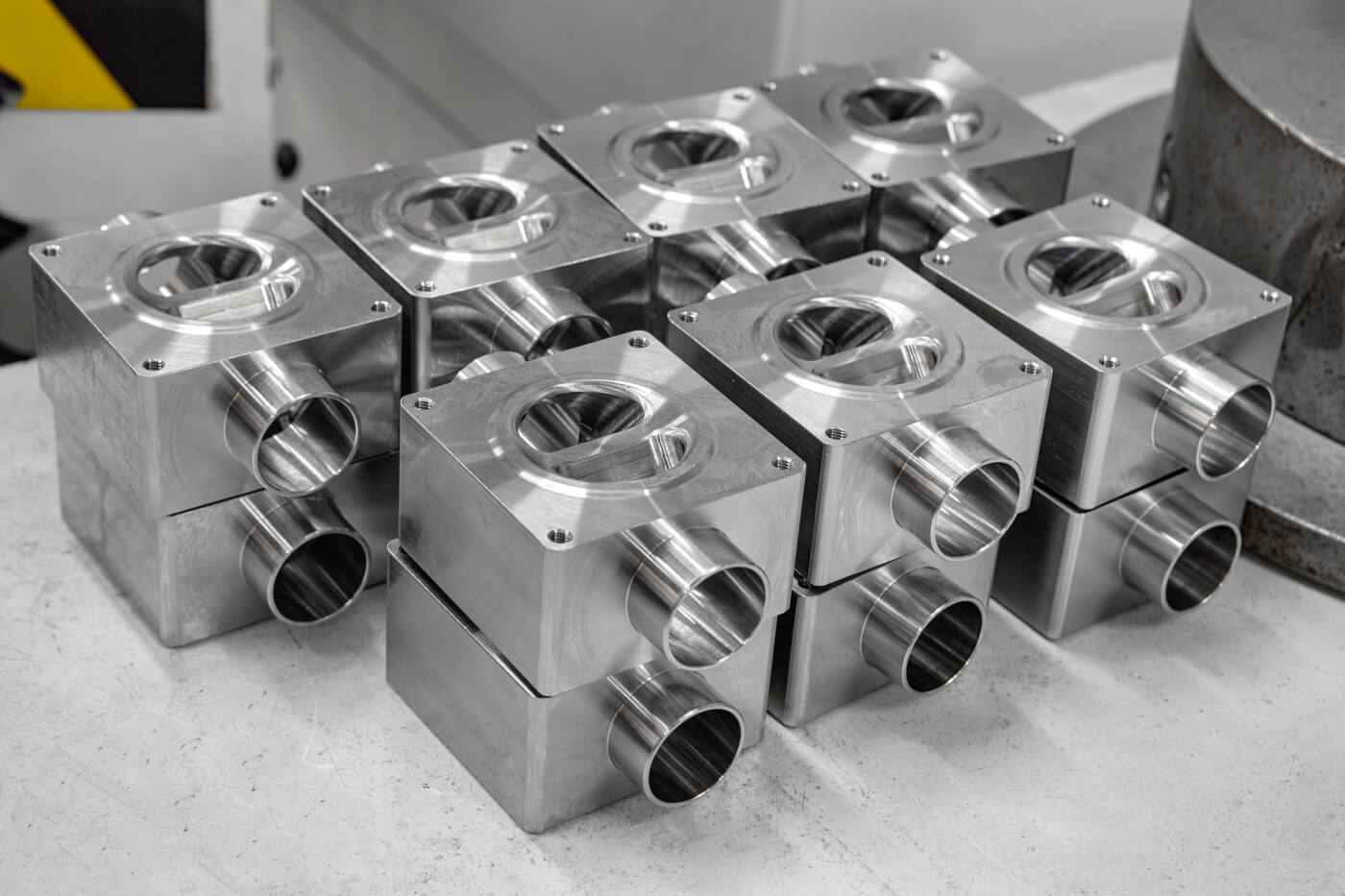
Material selection in CNC prototyping is critical. CNC prototyping refers to using CNC machine tools to produce physical models directly from digital designs. The process transforms 3D designs into prototypes, allowing product developers to test and refine their concepts before mass production.
The importance of CNC prototyping in product development includes:
- High Precision and Accuracy: CNC machines can precisely replicate complex designs, ensuring that prototypes match the original CAD models.
- Rapid Production: CNC prototyping accelerates the development cycle by quickly producing prototypes for testing and validation.
- Design Verification: It allows designers to assess the form, fit, and function of a design, making it easier to identify issues and make necessary adjustments.
- Cost-Effectiveness: Early detection of design flaws can prevent costly mistakes in the later stages of production.
The main challenge in CNC prototyping is selecting a material that matches the properties of the final product in areas such as tensile strength, mechanical strength, weight, and heat resistance or within the prototyping budget and timeframe constraints.
The Influence of Material Selection in CNC Prototyping Design
Suitable material selection in CNC prototyping is challenging. Companies must face the harsh reality of material availability. Designers who want to use premium materials that offer top-notch performance may find these materials costly and not readily available. This discovery can damage a budget and lengthen lead times. In other words, companies must pay more and wait longer.
Because of this, many businesses opt for available materials such as 6061 aluminum and 303 stainless steel for prototyping. They balance their desire for rare or high-end material with the practicalities of budget management and project timelines and are open to design tweaks.
Material Science and Accessibility
Material experts often grapple with constraints where their theoretical knowledge and innovative ideas face real-world limitations, particularly regarding material availability. While they might identify groundbreaking materials with superior properties for various applications, sourcing them can be challenging because of factors like high cost, limited supply, or manufacturing complexities.
Additionally, scaling these materials for mass production often presents hurdles, as theoretical advancements must align with industry infrastructure and economic feasibility. These constraints mean balancing pioneering research with practical solutions, driving material experts to innovate within the boundaries of what is readily accessible and economically viable.
Practical Steps for Ideal Material Selection
When selecting materials for prototyping, companies should prioritize functionality by ensuring they meet the necessary chemical resistance, impact resistance, and strength-to-weight ratio requirements. Assess durability based on environmental conditions like temperature, moisture, and wear resistance to enhance longevity. Consider manufacturing timelines by favoring materials with reliable supply chains to prevent delays. Current supplier inventory trends indicate that many suppliers are moving towards just-in-time stocking.
Balance performance with budget constraints, seeking cost-effective alternatives that still fulfill design needs. Also, verify material availability to maintain production schedules.
This strategic evaluation helps balance performance, cost, and timeline, ensuring a project stays on track and meets all essential design objectives.
Wrapping Up
Successful CNC prototyping stems from a strategic approach to material selection. When companies carefully evaluate functionality, durability, timelines, and budget, they ensure a project’s immediate and long-term success.
If you’re looking for a strategic partner to help prototype and manufacture your product, reach out to the experts at Macfab.
