The True Cost of Poor Quality in CNC Machining
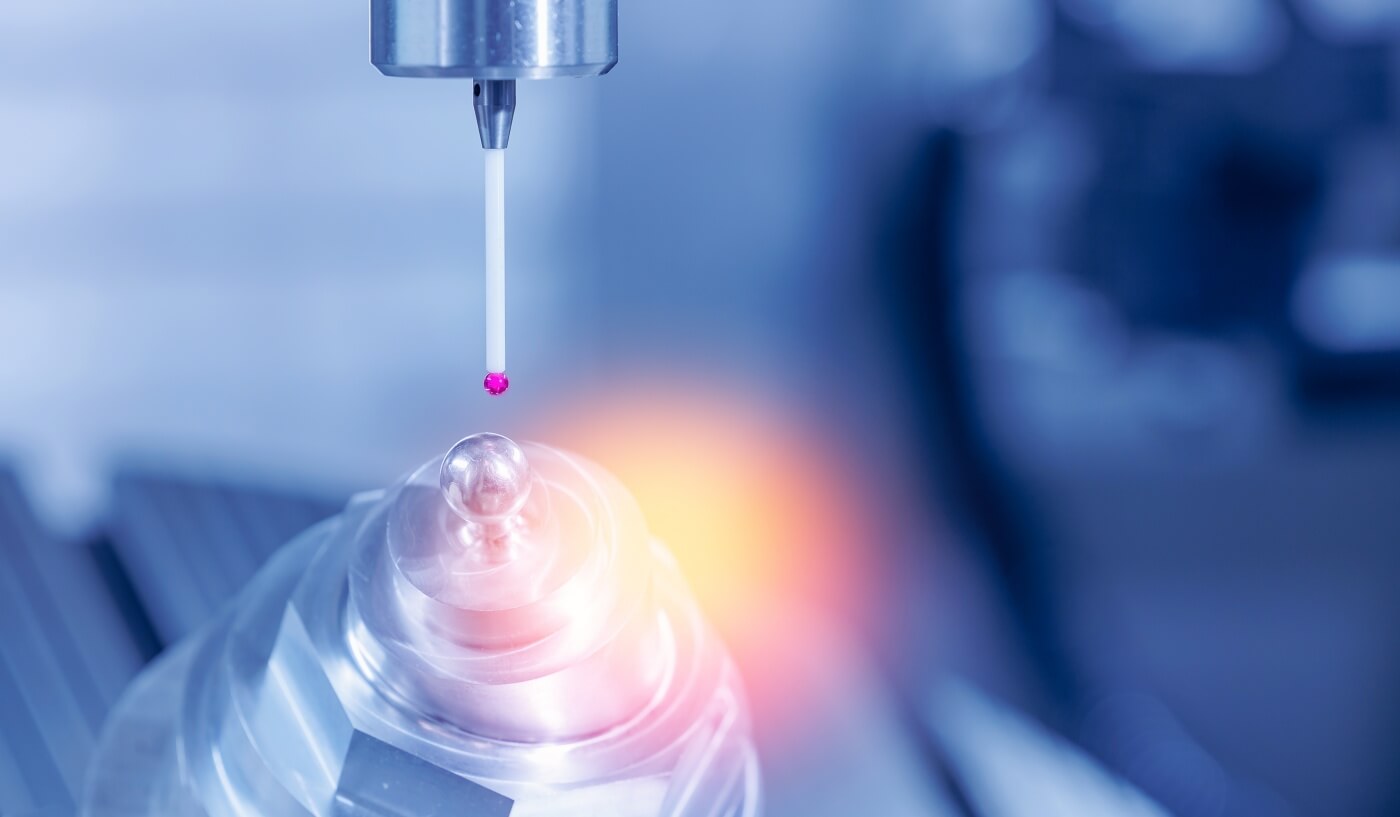
Poor quality in CNC machining processes can lead to quality issues, increased waste, higher costs, and customer dissatisfaction. This article highlights the vital role of precision and quality assurance in providing product reliability, efficiency, and compliance with industry standards, ultimately safeguarding a company’s reputation and profitability.
Understanding the Implications of Poor Quality
‘Poor quality’ in CNC machining refers to deviations from specified design and tolerance standards, resulting in faulty or non-compliant products. Immediate financial impacts include costs associated with rework and scrap materials, which increase overall production expenses. Delayed production schedules can lead to missed deadlines, tarnishing the company’s reputation and causing potential loss of business.
Long-term impacts include diminished customer trust, contractual penalties, and reduced competitive advantage. Consistent inferior quality may require additional quality control and training investments, further straining financial resources.
Precision: The Heart of CNC Manufacturing
Precision and accuracy in CNC machining ensure parts meet exact specifications, vital for proper functionality and assembly. Tight tolerances guarantee that parts fit and operate as intended, minimizing defects, wear and tear, and system failures.
Canadian industry standards for CNC machining accuracy, such as those from CSA and ISO, are not just guidelines. They are the stepping stones to maintaining market competitiveness, customer satisfaction, and compliance with legal and regulatory requirements. Meeting these benchmarks is essential and should be a driving force in every CNC shop.
Investing in Quality Assurance Practices
Quality assurance in CNC machined parts involves several practices to maintain high standards. Regular machine calibration ensures equipment operates within specified tolerances. Using high-grade materials guarantees consistent performance and durability of parts. Employing skilled operators minimizes human error and provides meticulous attention to detail.
In addition, implementing robust quality control processes, such as first-article inspection and in-process checks, helps detect issues early. Adhering to ISO certifications and industry-recognized benchmarks, like ISO 9001, demonstrates a commitment to quality, aligning operations with international standards. These practices collectively enhance product reliability, boost customer confidence, and provide a competitive edge.
Continuous Improvement as a Strategic Approach
A continuous improvement strategy focuses on consistently enhancing production processes to boost quality and efficiency. In CNC machining, this approach is crucial for maintaining competitiveness and meeting customer demands. Six Sigma employs data-driven techniques to reduce defects and variability, enhancing overall product quality, while Lean Manufacturing emphasizes waste reduction, optimizing workflow, and increasing value.
Both methodologies reduce CNC machining costs by identifying inefficiencies, streamlining operations, and fostering a culture of ongoing improvement. Implementing continuous improvement strategies leads to higher precision, reduced costs, and better resource utilization in CNC machining.
The Role of Advanced Technology
Modern CNC machines and software significantly enhance accuracy and quality by incorporating advanced features like high-speed machining, superior precision, and reduced human error. Investing in the latest technology, such as multi-axis machines and sophisticated CAD/CAM software, enables complex part production with tight tolerances.
Real-time monitoring systems provide continuous feedback, detecting discrepancies instantly, thus preventing errors and reducing downtime. Examples include adaptive control systems that adjust parameters and predictive maintenance tools. These innovations streamline operations, minimize waste, and ensure consistent product quality.
Final Thoughts on the Cost of Poor Quality in CNC Machining
Quality assurance and continuous improvement are long-term investments for CNC machining companies, ensuring sustained reliability and competitiveness. Buyers and design engineers should evaluate their current manufacturing partners’ commitment to higher quality standards, and consider the benefits of working with Macfab Manufacturing, a company dedicated to precision and ongoing improvement. Choose Macfab for unmatched excellence and dependable results!
